
 Image 1 of 1
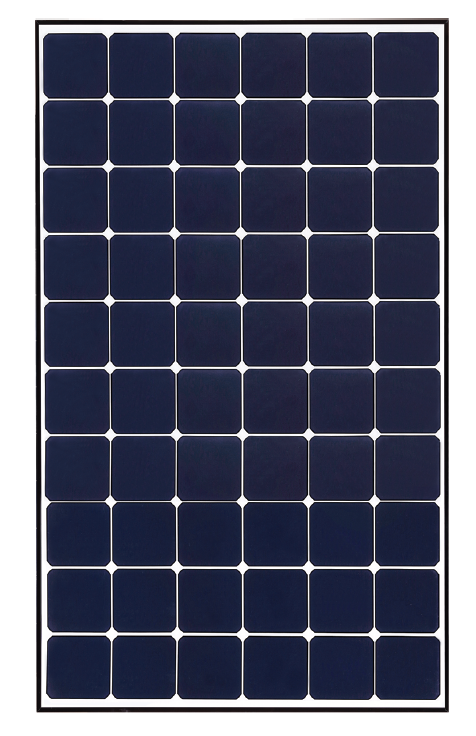
UKSOL 410W All Black Tigo Optimised (ECO4) — UKS-SM144-410-OPT
108-cell mono, 21% efficiency, Tigo TS4-A-O optimiser, ECO4-eligible
Product overview
Cell configuration: 108-cell monocrystalline module
Module efficiency: 21% nominal
Optimizer compatibility: Pre-fitted or compatible with Tigo TS4-A-O rapid shutdown optimiser
Scheme eligibility: ECO4-eligible for UK energy-efficiency upgrade programs
Key benefits
Higher energy yield per m²: 108-cell layout increases active area while maintaining compact panel dimensions, delivering improved power output for constrained roof space.
Strong conversion efficiency: 21% module efficiency yields better performance under standard test conditions and improves annual kWh production versus lower-efficiency alternatives.
Improved safety and monitoring: Integration with Tigo TS4-A-O provides module-level rapid shutdown and optional panel-level monitoring, enabling safer maintenance and enhanced diagnostics for performance optimization.
Grid and program readiness: ECO4 eligibility supports inclusion in UK energy-efficiency retrofit schemes, simplifying funding pathways for qualifying installations.
Technical highlights
Cell type: Monocrystalline (high-purity silicon) — improved low-light response and temperature coefficient characteristics relative to polycrystalline cells.
Cell count: 108 — typically arranged to balance higher voltage and current characteristics suitable for residential and small commercial inverters.
Nominal efficiency: 21% — representative module conversion efficiency under STC (1000 W/m², 25°C, AM1.5G).
Optimiser model: Tigo TS4-A-O — provides module-level rapid shutdown, IV curve scanning, and can support safety compliance with NEC 2017/2020 rapid shutdown requirements where applicable.
Form factor considerations: 108-cell modules are taller than standard 60/66-cell panels; ensure roof fit, mounting rail spacing, and wind/snow load calculations account for dimensions and weight.
Electrical characteristics (typical examples; confirm with specific datasheet):
Maximum power (Pmax): varies by model, typically higher than comparable 60–72 cell panels due to increased cell area
Open-circuit voltage (Voc) and maximum-power voltage (Vmp): elevated relative to smaller panels; check inverter MPP voltage window and string design
Short-circuit current (Isc) and maximum-power current (Imp): increased current impacts cable sizing and combiner sizing
Temperature coefficient: expect lower degradation per °C for mono cells compared with older technologies; verify specific coefficient for accurate yield modeling.
Installation and design notes
Stringing and inverter selection: Because 108-cell panels produce higher Vmp and Voc, verify inverter MPPT voltage range and end-of-string Voc under minimum expected temperatures. Consider fewer panels per string or use microinverters/optimizers where appropriate.
Optimiser integration: Tigo TS4-A-O can be retrofit-mounted or factory-integrated depending on supplier; confirm mechanical compatibility and warranty implications. Plan for Tigo Hive communications hardware if module-level monitoring is required.
Roof logistics: Taller panel dimensions may affect ridge/hip clearance, roof penetration layout, and aesthetic alignment. Ensure rail and clamp placement is compatible with module frame thickness and weight.
Electrical safety and compliance: Use rapid shutdown where required by local code. Ensure earthing/grounding, DC protection, and array isolation meet NEC/BS/IEE regulations and any ECO4-specific conditions for funded installations.
Thermal and shading considerations: 108-cell layout can increase susceptibility to partial shading across a larger cell area; leverage Tigo optimization to mitigate mismatch losses and maximize production.
Performance and modeling tips
Use actual module datasheet values for Voc, Vmp, Isc, Imp, and temperature coefficients when modeling in PVsyst or similar tools.
Apply realistic soiling and degradation assumptions; verify warranty terms for performance guarantee (e.g., 25-year linear degradation percentage).
If ECO4 funding is sought, document module performance, installer competence, and safety measures per scheme requirements.
Warranty and reliability
Typical manufacturer offerings: product warranty (10–15 years) and performance warranty (e.g., 25 years with limited annual degradation). Confirm specific terms with the manufacturer.
Optimiser warranty: Tigo TS4 series often carries a 25-year warranty; confirm coverage and registration requirements.
Summary A 108-cell monocrystalline module at ~21% efficiency paired with Tigo TS4-A-O optimisers delivers high areal energy density, module-level safety and monitoring, and compatibility with ECO4 funding routes. Ensure careful electrical design for higher voltages, mechanical fit for tall modules, and that datasheet and warranty details are documented for compliance and performance modeling.
108-cell mono, 21% efficiency, Tigo TS4-A-O optimiser, ECO4-eligible
Product overview
Cell configuration: 108-cell monocrystalline module
Module efficiency: 21% nominal
Optimizer compatibility: Pre-fitted or compatible with Tigo TS4-A-O rapid shutdown optimiser
Scheme eligibility: ECO4-eligible for UK energy-efficiency upgrade programs
Key benefits
Higher energy yield per m²: 108-cell layout increases active area while maintaining compact panel dimensions, delivering improved power output for constrained roof space.
Strong conversion efficiency: 21% module efficiency yields better performance under standard test conditions and improves annual kWh production versus lower-efficiency alternatives.
Improved safety and monitoring: Integration with Tigo TS4-A-O provides module-level rapid shutdown and optional panel-level monitoring, enabling safer maintenance and enhanced diagnostics for performance optimization.
Grid and program readiness: ECO4 eligibility supports inclusion in UK energy-efficiency retrofit schemes, simplifying funding pathways for qualifying installations.
Technical highlights
Cell type: Monocrystalline (high-purity silicon) — improved low-light response and temperature coefficient characteristics relative to polycrystalline cells.
Cell count: 108 — typically arranged to balance higher voltage and current characteristics suitable for residential and small commercial inverters.
Nominal efficiency: 21% — representative module conversion efficiency under STC (1000 W/m², 25°C, AM1.5G).
Optimiser model: Tigo TS4-A-O — provides module-level rapid shutdown, IV curve scanning, and can support safety compliance with NEC 2017/2020 rapid shutdown requirements where applicable.
Form factor considerations: 108-cell modules are taller than standard 60/66-cell panels; ensure roof fit, mounting rail spacing, and wind/snow load calculations account for dimensions and weight.
Electrical characteristics (typical examples; confirm with specific datasheet):
Maximum power (Pmax): varies by model, typically higher than comparable 60–72 cell panels due to increased cell area
Open-circuit voltage (Voc) and maximum-power voltage (Vmp): elevated relative to smaller panels; check inverter MPP voltage window and string design
Short-circuit current (Isc) and maximum-power current (Imp): increased current impacts cable sizing and combiner sizing
Temperature coefficient: expect lower degradation per °C for mono cells compared with older technologies; verify specific coefficient for accurate yield modeling.
Installation and design notes
Stringing and inverter selection: Because 108-cell panels produce higher Vmp and Voc, verify inverter MPPT voltage range and end-of-string Voc under minimum expected temperatures. Consider fewer panels per string or use microinverters/optimizers where appropriate.
Optimiser integration: Tigo TS4-A-O can be retrofit-mounted or factory-integrated depending on supplier; confirm mechanical compatibility and warranty implications. Plan for Tigo Hive communications hardware if module-level monitoring is required.
Roof logistics: Taller panel dimensions may affect ridge/hip clearance, roof penetration layout, and aesthetic alignment. Ensure rail and clamp placement is compatible with module frame thickness and weight.
Electrical safety and compliance: Use rapid shutdown where required by local code. Ensure earthing/grounding, DC protection, and array isolation meet NEC/BS/IEE regulations and any ECO4-specific conditions for funded installations.
Thermal and shading considerations: 108-cell layout can increase susceptibility to partial shading across a larger cell area; leverage Tigo optimization to mitigate mismatch losses and maximize production.
Performance and modeling tips
Use actual module datasheet values for Voc, Vmp, Isc, Imp, and temperature coefficients when modeling in PVsyst or similar tools.
Apply realistic soiling and degradation assumptions; verify warranty terms for performance guarantee (e.g., 25-year linear degradation percentage).
If ECO4 funding is sought, document module performance, installer competence, and safety measures per scheme requirements.
Warranty and reliability
Typical manufacturer offerings: product warranty (10–15 years) and performance warranty (e.g., 25 years with limited annual degradation). Confirm specific terms with the manufacturer.
Optimiser warranty: Tigo TS4 series often carries a 25-year warranty; confirm coverage and registration requirements.
Summary A 108-cell monocrystalline module at ~21% efficiency paired with Tigo TS4-A-O optimisers delivers high areal energy density, module-level safety and monitoring, and compatibility with ECO4 funding routes. Ensure careful electrical design for higher voltages, mechanical fit for tall modules, and that datasheet and warranty details are documented for compliance and performance modeling.